01
PreparationPeel 200g of ginger with a peeler to remove the skin and impurities.
lightbulb
Watch out
Be careful when using the peeler, keep fingers away from the blade to prevent cuts.
Ingredients:ginger (200 g)
Tools:peeler

Allergen labels are AI-generated and may be incomplete or wrong. If you have a food allergy, always verify every ingredient yourself.
Recipe details are AI-generated from the video and may contain errors — for reference only.
Peel 200g of ginger with a peeler to remove the skin and impurities.
Watch out
Be careful when using the peeler, keep fingers away from the blade to prevent cuts.
Grate the peeled ginger on a fine grater until a bowl of fine ginger paste is produced.
Watch out
Slow down when the ginger block gets small to avoid scratching your fingers.
Place the grated ginger into a fine mesh sieve and press firmly by hand to strain fresh ginger juice into a bowl, removing the pulp.
Watch out
Press evenly to ensure all juice is extracted from the ginger pulp.
Weigh the ginger juice on a kitchen scale and strain into 4 small bowls, ensuring each bowl has 15g of ginger juice.
Watch out
Stir the ginger juice before portioning so settled starch is distributed evenly.
When heating milk and pouring hot liquids, be careful of hot splashes and scalding. Use oven mitts or a cloth when handling the heated saucepan to prevent burns.
In a small saucepan, add 170ml full cream milk and 15g condensed milk (or 15g caster sugar). Heat over medium heat, monitoring with a probe thermometer, stir until temperature reaches 70°C to 75°C, then turn off the heat.
local_fire_departmentMedium heat, heated to 70-75°CWatch out
Do not overheat or boil the milk
above 85°C causes lumps, below 70°C prevents coagulation
Pour the hot milk into a measuring cup, hold it high and pour quickly with force into the bowl containing 15g ginger juice to mix instantaneously; do not stir or shake the bowl afterwards.
Watch out
Pouring must be swift and in one motion
strictly do not stir or move the bowl after pouring, otherwise it will fail to set
Place the poured milk bowls on a flat surface and let them stand completely undisturbed for 10 to 15 minutes, until the surface sets and can support a light spoon without sinking.
Watch out
Do not bump the table or move the bowl during rest
vibration will disrupt protein coagulation and cause failure

Golden Crispy Pan-Fried Nian Gao Batter Tutorial
Refreshing and Sweet Mung Bean Soup
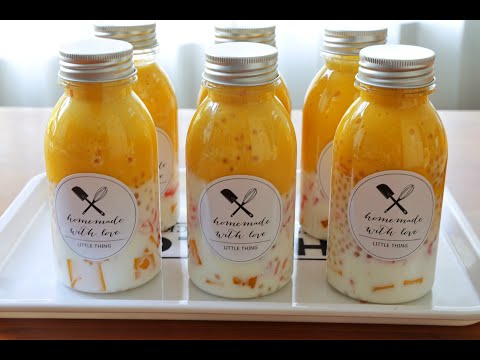
Homemade Classic Mango Pomelo Sago
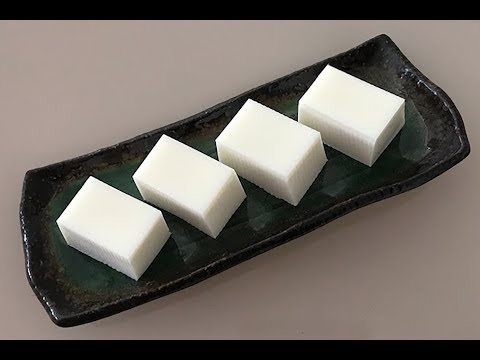
Classic Hong Kong Coconut Milk Pudding
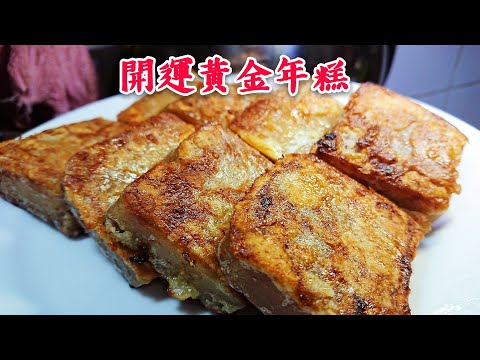
Hong Kong Style Crispy Golden Pan-Fried Nian Gao

Traditional Ginger Sweet Glutinous Rice Balls