01
PreparationIn a small measuring cup, combine 2 tbsp heavy cream and 1 egg yolk. Whisk quickly with a fork until smoothly blended, then set aside.
Ingredients:heavy cream (2 tbsp)Egg Yolk (1 piece)
Tools:forkmeasuring cup

Allergen labels are AI-generated and may be incomplete or wrong. If you have a food allergy, always verify every ingredient yourself.
Recipe details are AI-generated from the video and may contain errors — for reference only.
schedulePrepare in advance
In a small measuring cup, combine 2 tbsp heavy cream and 1 egg yolk. Whisk quickly with a fork until smoothly blended, then set aside.
In a large mixing bowl, add 150g (1 1/4 cups) all-purpose flour, 0.25 tsp salt, and 50g (1/4 cup) granulated sugar. Whisk thoroughly until the dry ingredients are uniformly combined.
Cut 113g (1/2 cup) cold unsalted butter into small cubes. Drop the cold butter cubes into the flour mixture. Using your fingertips, break up and rub the butter into the flour until a shaggy, sandy mixture forms with pea-sized butter pieces that holds together like dough when squeezed firmly in your hand.
Watch out
Butter must be chilled straight from the fridge
if the butter softens or melts from warm hands, the pastry crust will turn out tough and chewy instead of crisp and tender
Pour the prepared cream and egg yolk mixture into the bowl while stirring with a fork. Use your hands to gently press and work the mixture together in the bowl until it comes together into a cohesive, smooth yellow dough ball with no loose flour.
Watch out
Do not aggressively knead the dough
gently bring it together just until unified, otherwise gluten develops making the tart crust shrink during baking
Flatten the dough into a flat round disk. Wrap the disk tightly in parchment paper or plastic wrap and place in the refrigerator to chill for 1 hour until firm.
Watch out
Do not skip chilling the dough
if the butter inside does not firm up, the dough will be sticky, difficult to roll, and will tear easily
Unwrap the chilled dough and let it sit at room temperature for a couple minutes until pressing lightly leaves a slight indent. Dust the pastry mat and rolling pin with 1 tbsp flour. Roll the dough outward in even strokes, rotating frequently, until it forms a circle 11 to 12 inches (28 to 30 cm) in diameter and roughly 1/8-inch thick.
Watch out
Keep turning and rotating the dough as you roll, dusting with a tiny pinch of flour if needed, otherwise the dough will stick to the rolling mat and tear when lifted.
Gently roll the dough loosely onto the rolling pin, lift it, and unroll it over a 9-inch fluted tart pan with a removable bottom. Gently push the dough into the bottom corners and fluted sides from the edges without pulling or stretching. Use a small knife to trim away excess dough flush with the top rim.
Watch out
Push the dough gently down into the fluted ridges instead of stretching it downward
stretching makes the pastry walls shrink down during baking
Place the lined tart pan into the freezer for 30 minutes until the pastry is frozen rock hard to the touch.
Watch out
Do not rush this step
the dough must be completely frozen before baking to prevent the sides from slumping down in the hot oven
Always wear oven mitts when handling the scorching hot metal tart tin in and out of the oven to prevent severe burns.
Preheat your oven to 375°F (190°C). Remove the rock-hard tart shell from the freezer and prick the bottom all over thoroughly with a fork. Place directly on the middle oven rack and bake at 375°F (190°C) for 20 minutes until the crust is dry and a light golden brown color. Remove and place on a wire rack or stovetop to cool.
local_fire_department375°F (190°C), 20 minutesWatch out
Prick the bottom base all over with a fork before it goes into the oven, otherwise trapped steam will cause huge air bubbles to puff up and warp the crust base.
Wash your hands thoroughly with soap after handling raw eggs and eggshells to prevent bacterial cross-contamination.
In a medium glass bowl, crack 4 large eggs and separate in 2 additional egg yolks. Whisk vigorously with a fork or whisk until thoroughly beaten and homogenous, then set aside.
In a medium saucepan, add 113g (1/2 cup) unsalted butter and 200g (1 cup) granulated sugar. Using a microplane zester, finely zest 2 whole lemons directly into the pot (about 2 tbsp lemon zest).
Watch out
Grate only the bright yellow outer peel of the lemons
stop before hitting the bitter white pith beneath, otherwise the curd will taste unpleasantly bitter
Cut the zested lemons in half. Squeeze the juice through a fine-mesh strainer into a measuring cup until you have 120ml (1/2 cup) fresh lemon juice, discarding seeds. Pour the 120ml lemon juice into the saucepan with the butter, sugar, and zest.
Place the saucepan over medium heat. Whisk occasionally for 3 to 5 minutes until the butter is completely melted, the sugar is dissolved, and the liquid reaches a rolling simmer and is actively bubbling away.
local_fire_departmentmedium heat, 3 to 5 minutesWatch out
Stir occasionally while heating to prevent the sugar crystals from sinking to the bottom and scorching before the butter melts.
While whisking the beaten egg mixture continuously, slowly drizzle in about 1/2 cup (120ml) of the hot lemon-butter liquid in a thin, steady stream to warm the eggs up gently. Once incorporated, slowly drizzle in all the remaining hot lemon butter liquid while whisking vigorously until you have a completely smooth, silky, uncurdled yellow liquid.
Watch out
Pour the hot liquid in very slowly in a thin stream while whisking rapidly
dumping hot liquid in all at once will instantly scramble and cook the raw eggs
Pour the tempered mixture back into the saucepan. Set over low heat and whisk continuously for about 3 to 5 minutes. Watch closely until the mixture visibly thickens, begins releasing slow volcanic 'burping' bubbles from the center, and thickly coats the back of a wooden spoon without running off. Immediately remove from heat.
local_fire_departmentlow heat, 3 to 5 minutesWatch out
Keep the heat low and whisk constantly across the entire bottom and corners of the pot
if you stop whisking for even a few seconds, the eggs on the bottom will burn and curdle
Set a fine-mesh sieve over a clean glass bowl. Pour the warm thickened lemon curd into the strainer, and use a whisk or spatula to press the silky curd through into the bowl, catching all lemon zest shreds and cooked egg chalazae in the strainer. Discard the leftover solids.
Use oven mitts when placing the tart into and taking it out of the oven to protect your hands from burns.
Reduce the oven temperature to 350°F (177°C). Pour the warm strained lemon curd into the pre-baked tart shell, scraping the bowl clean with a spatula. Give the tart pan a gentle shimmy on the counter to level the surface smoothly. Bake at 350°F (177°C) for 8 minutes until the outer edge is just set and firm while the center still has a slight wobble.
local_fire_department350°F (177°C), 8 minutesWatch out
Do not overbake the tart
take it out as soon as the edges are set and the center still has a gentle wobble, otherwise the curd will crack and turn rubbery
Let the lemon tart cool completely to room temperature on a wire rack for 30 minutes, then transfer to the refrigerator to chill for at least 2 hours (or overnight) until completely cold and firmly set. Once chilled, gently pop off the outer fluted ring. Slide a thin palette knife or small knife along the bottom between the crust and metal base to release the tart, and slide onto a cake stand or serving plate. Slice neatly with a sharp knife and garnish with dollops of whipped cream (1/2 cup), 8 fresh raspberries, and a light dusting of powdered sugar (1 tsp).
Watch out
Ensure the tart is completely cold and set before attempting to remove the metal bottom and slice
if warm, the filling will run and collapse
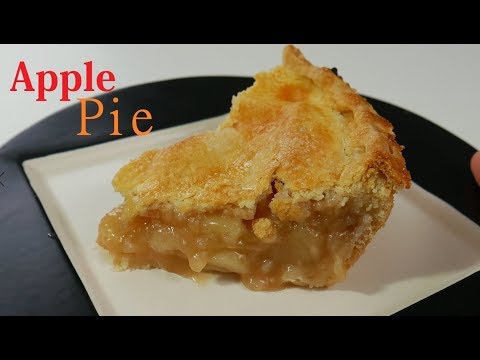
Classic Homemade Apple Pie

The Ultimate Chocolate Chip Cookies

Classic Homemade Apple Pie with Lattice Crust
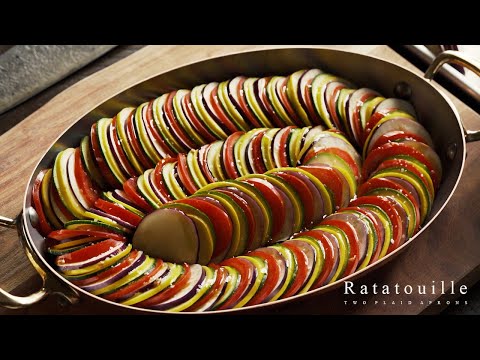
Pixar-Style Ratatouille (Confit Byaldi)

Banana Banana Bread

Classic Homemade Italian Margherita Pizza