Thoroughly wash 480g of Japanese rice until the water runs clear.
Watch out
Rice must be washed thoroughly until water runs clear, otherwise excess surface starch will make the cooked rice gummy and sticky.
Allergen labels are AI-generated and may be incomplete or wrong. If you have a food allergy, always verify every ingredient yourself.
Recipe details are AI-generated from the video and may contain errors — for reference only.
schedulePrepare in advance
Thoroughly wash 480g of Japanese rice until the water runs clear.
Watch out
Rice must be washed thoroughly until water runs clear, otherwise excess surface starch will make the cooked rice gummy and sticky.
Leave the 480g rice soaking in water for at least 30 minutes.
Watch out
Rice must soak for at least 30 minutes, otherwise the grains will not cook evenly and will have a hard core.
Add the soaked 480g rice to a pot with 650ml of water, put on a lid, and heat on high until it begins to boil.
local_fire_departmenthigh heatWatch out
Lid must remain tightly closed while heating, otherwise steam escapes and the rice will not cook properly.
Once boiling, turn the heat down to medium-low and cook for 10 minutes until the liquid disappears.
local_fire_departmentmedium-low heatWatch out
Heat must be reduced to medium-low immediately once boiling, otherwise the bottom will burn before the rice absorbs the water.
Turn off the heat and let the rice steam in the pot for another 10 minutes.
Watch out
Do not open the lid during the 10-minute steaming time, otherwise heat escapes and the rice center will remain firm.
Heat water in a saucepan to 65C (150F) without letting it boil, add 3 eggs, and let them sit for 30 minutes.
local_fire_departmentlow heatWatch out
Water temperature must be maintained at 65°C without boiling, otherwise the eggs will become hard-boiled instead of soft onsen tamago.
Add 140ml water, 100ml of mirin, 60ml of soy sauce, 2 tbsp of brown sugar, and a small bit of dashi fish stock directly into a pan and whisk together.
Watch out
Sugar must be fully whisked and dissolved into the liquid, otherwise it will settle at the bottom of the pan and burn.
Handle the sharp chef's knife carefully when slicing firm burdock root to avoid accidental cuts.
Cut 1/2 of a washed burdock root into small slices and add them straight away to the liquid in the pan.
Watch out
Burdock slices must be added to the liquid immediately after cutting, otherwise they will oxidize and turn brown.
Keep fingers curled inward when slicing the onion to protect against knife slips.
Cut 1/2 of an onion into thin slices and add them into the pan with the liquid and burdock.
Watch out
Onion slices must be cut thinly and evenly, otherwise thick pieces will remain crunchy while thin ones disintegrate.
Put on the lid and turn to a high heat until the contents come to a boil.
local_fire_departmenthigh heatWatch out
Pan must be covered with the lid, otherwise heat escapes and it will take much longer to reach a boil.
Handle raw beef with care and wash hands immediately after touching to prevent cross-contamination.
Spread 200g of thinly sliced beef loin evenly in the pan, stir quickly, and cook for 1 to 2 minutes until cooked through.
local_fire_departmenthigh heatWatch out
Beef slices must be spread out evenly and stirred quickly, otherwise clumped meat will remain raw in the center.
Let the beef stew for about 5 minutes to absorb the sauce flavors until rich and flavorful.
local_fire_departmentmedium heatWatch out
Heat must be kept at medium during stewing, otherwise high heat will evaporate all the sauce before the beef absorbs the flavor.
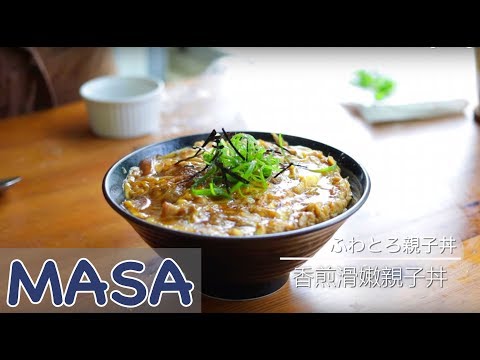
Serve the cooked beef and onions on top of the prepared rice in a bowl.
Watch out
Rice must be fluffed gently with a paddle before plating, otherwise packed clumps will make the bowl dense and unappealing.
Crack an onsen tamago egg on top of the beef bowl and drizzle extra sauce over it.
Watch out
Onsen tamago must be cracked gently, otherwise the delicate soft white will break and spill out completely.